Sunrise over Luxor Temple pylons and the Nile corniche

Luxor route desk · since 2016

Plan a Fast, Honest Luxor Day Without Missing Gates or Ferries

Quick Egypt Luxor Routes LLC maps how long Karnak really takes after security, which Valley of Kings tombs stay open on rotation, when Luxor Museum quiet hours begin, and whether your cruise should dock at Esna or Luxor City. We are not a tour operator selling packaged coach seats—we publish timing models and optional coordination so independent travellers, families, and Nile cruise passengers stop guessing at the Corniche.

Luxor rewards sequence, not speed for its own sake. A West Bank morning paired with an East Bank sunset at Luxor Temple beats two rushed coach loops. Our planners work from measured walk times, ticket booth queues, and seasonal heat curves recorded on Khaled ibn al-Walid Street since 2016.

01

Anchor your day to ferry or road reality

Most independent visitors choose between the public ferry from Luxor Corniche to the West Bank and a taxi via the bridge north of Karnak. Ferries run roughly every ten minutes from early morning until late evening, but foot traffic spikes when balloon baskets return around 7:30 a.m. Road transfers add fifteen to twenty-five minutes depending on hotel zone yet keep camera gear dry during khamsin dust. We model both paths before suggesting tomb order.

Read our Luxor transport tips for taxi fare bands, microbus limits, and bicycle rental near the Colossi of Memnon. Cruise passengers docking overnight should cross-check Nile cruise docking windows because Esna arrivals shift East Bank start times by ninety minutes.
02

Stack West Bank tombs before noon heat

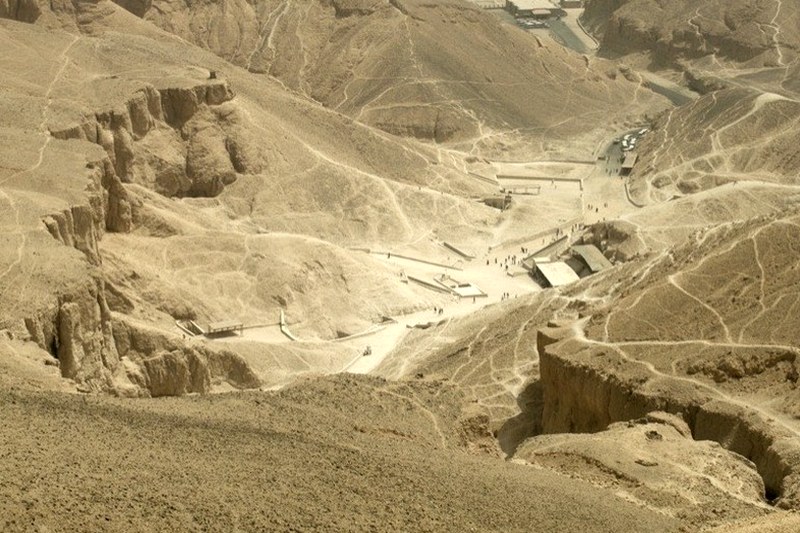
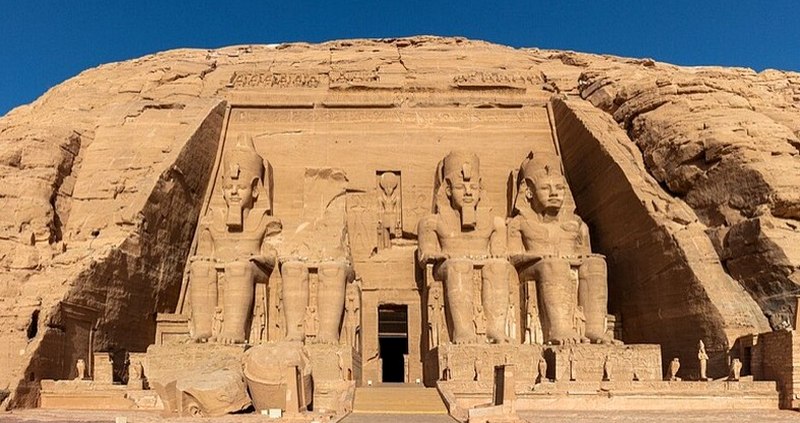
The Valley of Kings ticket office opens at 6:00 a.m. in peak season. KV62 (Tutankhamun), KV9 (Ramesses V and VI), and KV11 (Ramesses III) rotate closure days—our Valley of Kings guide tracks published schedules. Pair two included tombs plus one premium ticket before 10:30 a.m., break at the al-Qurna rest shade, then walk the Colossi of Memnon and Deir el-Medina if energy allows.

Path toward Valley of Kings cliff entrance on the West Bank
03

Shift museums and temples to cooler hours

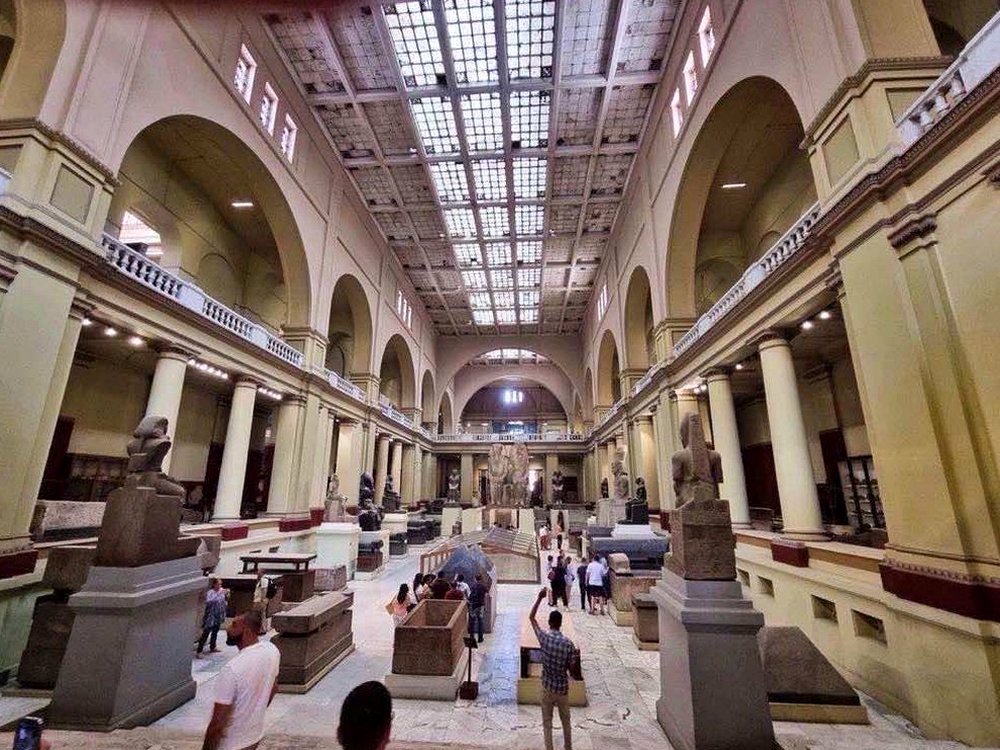
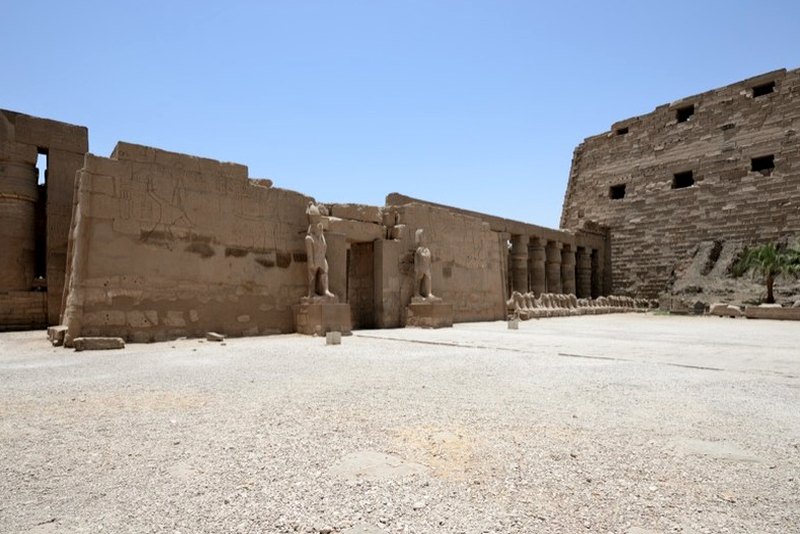
Luxor Museum on the Corniche stays air-conditioned and compact—ideal at 2:00 p.m. when tombs feel exhausting. Karnak and Luxor Temple deserve separate visits; bundling both before lunch overwhelms most families. Our Karnak temple guide recommends entering through the Avenue of Sphinxes gate when morning light hits the first pylon, while Luxor Temple glows amber after 4:00 p.m.

Three route bundles visitors request most

Each bundle below reflects actual ticket combinations and transfer minutes we log weekly. Prices for coordination appear on pricing; monument tickets remain payable on site to Egyptian authorities.

Hypostyle hall columns at Karnak Temple complex

East Bank Explorer

Karnak complex, Luxor Temple, and optional Mummification Museum on the Corniche. Best for cruise passengers with one full day in port. Includes suggested lunch window near El-Tod road and sunset timing at Luxor Temple first court.

View plan fees
West Bank necropolis trail with limestone cliffs

West Bank Runner

Valley of Kings, Valley of Queens (Nefertari premium ticket when open), Habu Temple, and Colossi of Memnon. Starts pre-dawn if balloons are booked. See West Bank itineraries for tomb pairings.

View plan fees

How our Luxor desk builds a route sheet

When you submit dates through contact, we ask for hotel or cruise name, mobility constraints, and whether you already hold balloon vouchers. Planners cross-check Ministry of Tourism and Antiquities bulletins for tomb closures, then draft a hour-by-hour sheet with Arabic gate names drivers recognize. We note where official photography permits apply and where electric golf carts save uphill minutes in the Valley of Queens.

Unlike generic Egypt guidebooks reprinted every decade, we revise walk times after Ramadan schedules, Eid crowds, and summer hour extensions along the Corniche. Your sheet lists backup indoor stops—Luxor Museum, Mummification Museum, or Habu Temple shaded halls—if a sandstorm closes balloon operations.

We never resell monument tickets or balloon seats. Commissions from third parties would bias tomb order; our revenue is planning fees only, listed transparently on the pricing page.

Quick Egypt planners reviewing Luxor maps at the office on Khaled ibn al-Walid Street

Questions we answer before you land

Can I see Karnak and the Valley of Kings in one day?

Yes, if you start on the West Bank by 6:30 a.m. and treat East Bank temples as an evening block. Midday belongs to lunch and the Luxor Museum, not additional tombs. Summer heat from June through August compresses outdoor time—plan shaded breaks at Habu Temple or return to your hotel pool rather than queueing at Karnak at noon.

Where do Nile cruises dock near Luxor?

Most ships moor at Luxor New Corniche or slightly south near the Hilton zone. Some upstream itineraries overnight at Esna, requiring a road transfer. Our docking note lists pier distances to Luxor Temple and typical taxi fares so you know whether to start East or West Bank first.

Do I need a guide inside the tombs?

Official guides are optional for included tombs but mandatory for some premium tickets. We indicate where signage suffices and where a licensed Egyptologist adds context without slowing queue flow. Guide fees are separate from our planning service.

How early should I book a hot air balloon?

Operators require hotel pickup between 4:00 and 4:45 a.m. depending on season. Reserve at least three days ahead in winter peak. Wind cancellations happen—always keep a backup West Bank afternoon listed on your route sheet.

Is the public ferry safe for families?

The motor ferry is routine for locals and independent travellers. Life jackets are limited; hold children rail-side and avoid the middle crush when baskets disembark. For strollers, the road bridge taxi is calmer.

Ready to sequence your Luxor days?

Send dates, hotel zone, and must-see tombs. We reply from Luxor within one business day with a draft route and fee quote.

Send your dates

East Bank versus West Bank in one paragraph each

The East Bank is living Luxor: hotels, Corniche promenades, Karnak and Luxor Temple, plus the Luxor Museum and Mummification Museum within taxi distance. Cruise passengers often wake here steps from the Nile. The West Bank is the necropolis plateau—Valley of Kings, Valley of Queens, worker villages, mortuary temples like Habu, balloon fields, and village life in al-Qurna. You cross by ferry near Luxor Temple or by road bridge near Karnak. Quick Egypt models both banks as separate morning and afternoon blocks rather than a single rushed loop because heat, ticket quotas, and ferry crush punish all-in-one attempts.

Seasonality matters: winter allows tighter stacking; summer demands longer shaded breaks and earlier tomb starts. Ramadan shortens some afternoon openings—our sheets note daily boards rather than static guidebook hours. Khamsin winds may cancel balloons and reduce visibility at Colossi of Memnon; we list indoor fallbacks on every West Bank Runner sheet.

Who uses our route desk

Independent couples with two full days, families needing stroller-aware ferry advice, photographers chasing hypostyle hall light, and Nile cruise passengers with ten-hour port windows. We also support Egyptologists revisiting Luxor who want updated rotation notes without hiring a full guide for every leg. None of our clients are required to buy packaged coach seats—we coordinate timing; you choose transport.